Threats to Pangolins
The pangolin has the highest level of protection CITES can give a species - and yet pangolins are the most illegally trafficked mammals on the planet. Why?
Threats to Pangolins
In some areas, e.g. China, pangolin scales are thought to be a cure-all (there’s no evidence of this, by the way) - scales are made of kerotin, the same as our fingernails
They are seen as speciality dishes; their flesh is thought to be a delicacy (as in China); sometimes they are soaked and served in wine
In Central and Western Africa, they are hunted for bushmeat. In December 2025, a study from Nigeria showed that most pangolins there are nearly all consumed for meat locally, and they aren’t targeted for international trade, as had been thought. You can see the study here with Nature Ecology & Evolution
From Cambodia and Laos, they are smuggled live across the border in Vietnam
Some are trafficked by sea
Roadkill is a threat e.g. in Singapore
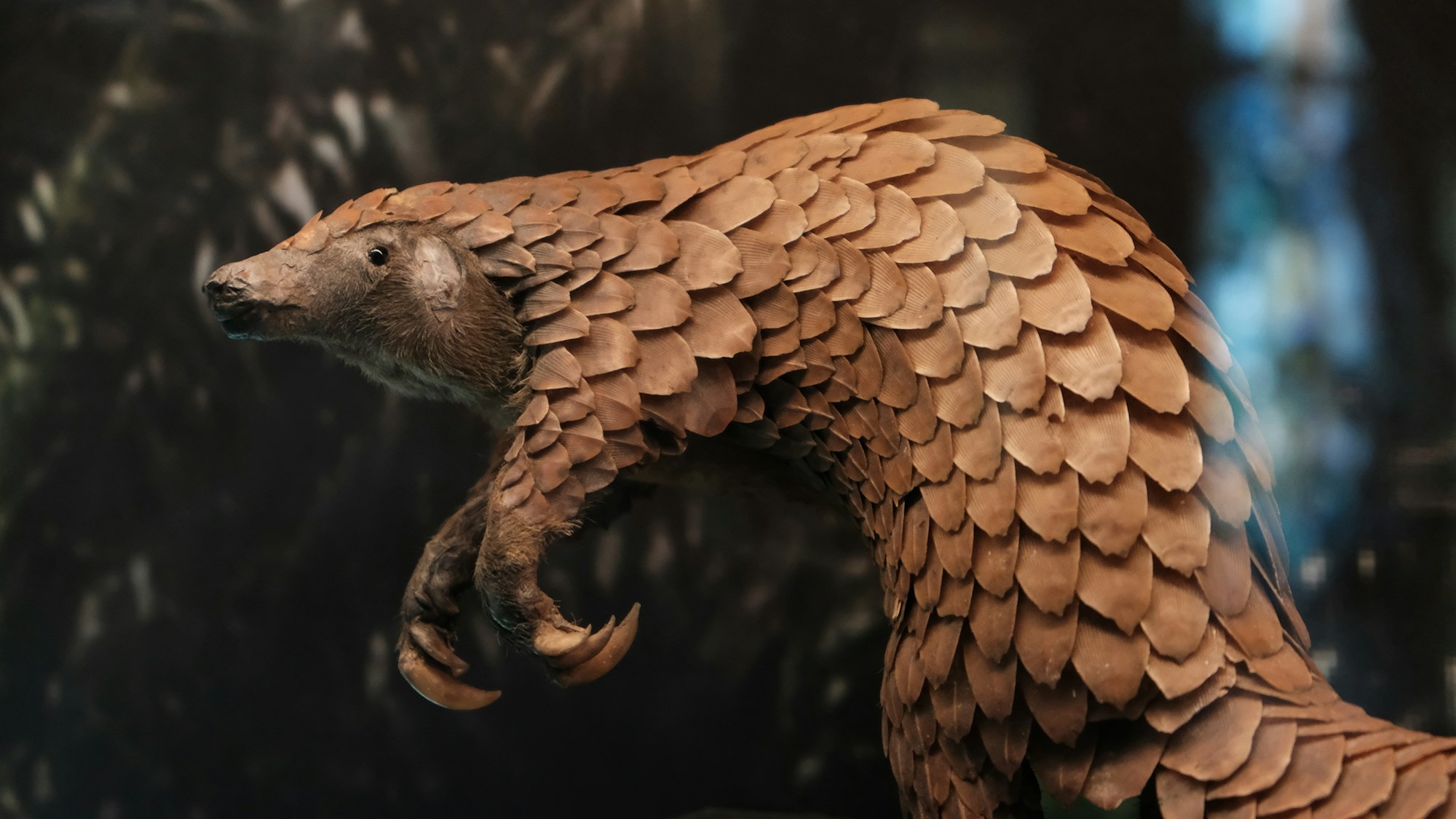
The other problem pangolins have is....
People just don't know about them. They don't get the same recognition as animals such as polar bears, tigers, rhinos, koalas, snakes, squirrels, birds, horses etc.
CITES has given pangolins the highest level of protection
But the illegal trade is still going on…
In 2016, all eight species of pangolin were re-classified to appendix I under the Convention in the International Trade in Endangered Species (CITES) to give them the highest level of protection. Unfortunately, illegal trade is still ongoing. In 2017, China seized 11.9 tonnes of pangolin scales - the equivalent of around 20,000 pangolins. In the last 10 years, the Pangolin Crisis Fund says poachers have killed one million pangolins.