Dartmoor ponies hit the news
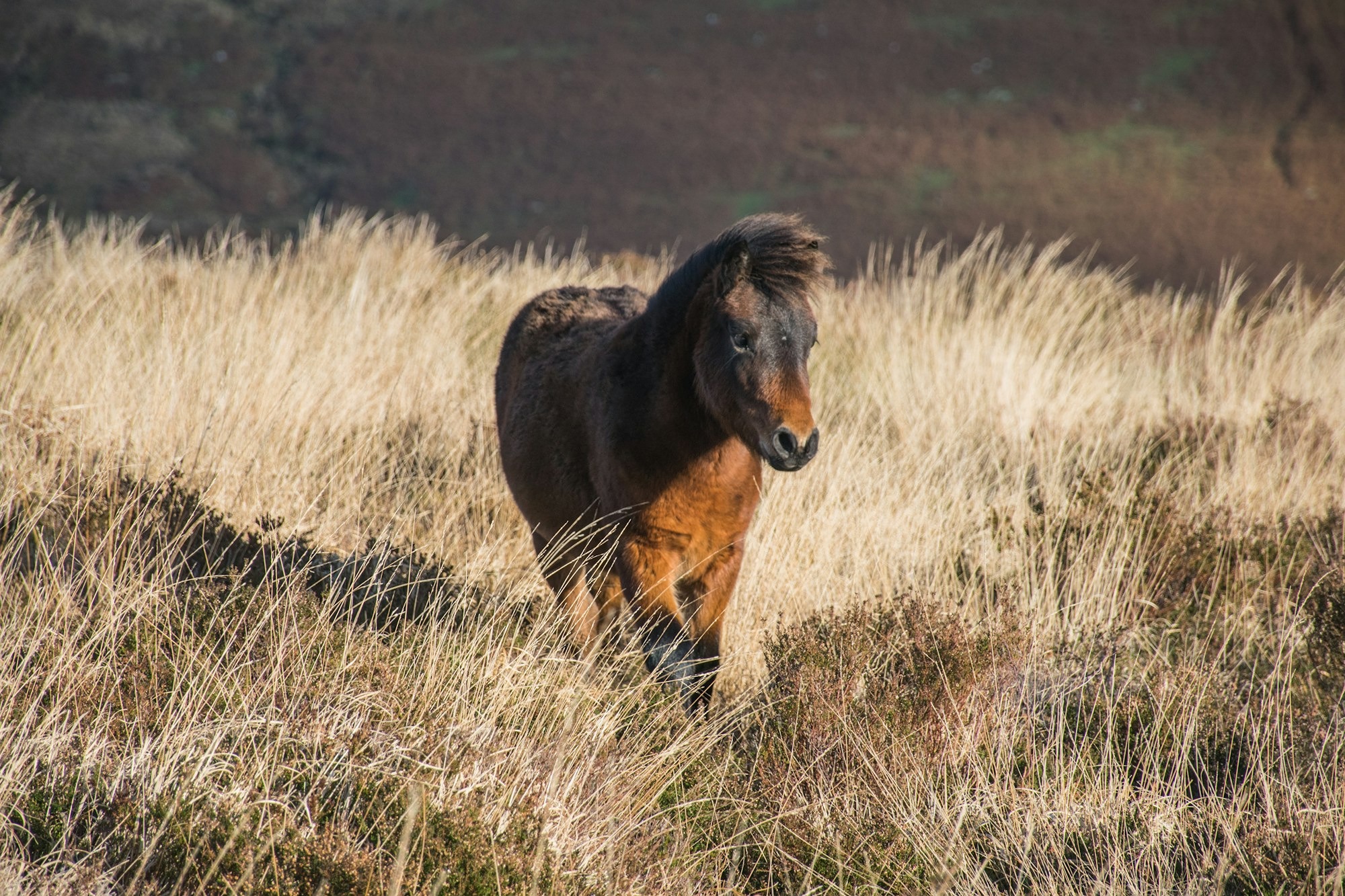
Well, what a week it has been for the Dartmoor pony breed. They have really hit the headlines - which has given them lots of publicity.
You may have seen the coverage in the press about Natural England and their proposal with regards to the beautiful Dartmoor ponies roaming wild in the stunning south west of England. There's a radio interview here which tells you all about what's going on, and you could also sign the petition here.
Find out about the Year of the Dartmoor Hill Pony with Brian Blessed. He explains that there used to be about 30,000 ponies on Dartmoor. That number had dropped to 2,000 to 3,000 two years ago – and now there are less than 1,000. As he says, once the ponies have gone, we cannot get them back.
Sadly, the registered Dartmoor Pony with breeding that’s been recorded is recognised as ‘At Risk’ by the Rare Breeds Survival Trust. But they are part of our heritage and many people love the sight of them on Dartmoor. And the Dartmoors make great children’s ponies and fantastic companions.
The Dartmoor pony is just beautiful!
The Dartmoor Pony is just stunning. Many live on Dartmoor, for they’re the native pony breed of Devon in the south west of England. They’ve been recorded living on Dartmoor since the Middle Ages, and they have the ability to survive and thrive in the tough conditions where they are. They don’t go bigger than 127cm, or 12.2 hands high. And they vary in colour – bay, black, grey, chestnut, roar or brown.
Organisations working to help Dartmoor ponies
There are a number of organisations working to ensure the Dartmoor pony has a future and also to record registered Dartmoor ponies.
So introducing…
The Dartmoor Pony Society represents the Registered Dartmoor Pony, and it maintains the Stud Book which means adding the up to date records for all the Dartmoors living in the UK. These records go back 100 years! They have a membership scheme with different memberships, though these seem to be more suited perhaps to those who have Dartmoor ponies. They also have an online shop with clothing, baseball caps, ties, aprons, hessian bags and more.
The Dartmoor Pony Heritage Trust works to protect and preserve the Dartmoor Heritage Pony on Dartmoor. They also have a membership scheme, or you could donate, or volunteer, leave a legacy or even buy a native Dartmoor pony! They also have a number of events, such as a Children’s Pony Tracking Day. And they’ve got a Paint a Dartmoor Pony Competition which is open to 1 September 2026 – find out about that here.
The Dartmoor Hill Pony Association came back with a response to the reports of Natural England’s cull plans and you can see that here. It is a membership organisation for hill-farmers who use their ancient right to graze their ponies on the Dartmoor commons year round. using their ancient right to graze ponies on the commons of Dartmoor all year round. It is the Breeders’ Association for the Native Semi-wild Dartmoor Hill Pony Population. They have a document you can download to find out more about the Dartmoor pony as a keystone species.
And there's more!
The Friends of the Dartmoor Hill Pony charity have moved wild ponies to careers as domesticated pets for riding and carriage driving, or as conservation grazers. They’ve managed to home over 8000 ponies since starting in 1999! Based in Devon, they need barn volunteers and office volunteers, and you can donate here. Why not join the Dartmoor Warriors on Facebook?
They say that if there’s any further reduction in the number of Dartmoor ponies, the population will be generically unviable.
The Dartmoor Heritage Pony is vital in transforming heathland that’s degraded into vibrant moorlands, full of wild flowers and wildlife.
As an example, in January 2026, the BBC reported that five Dartmoor ponies had arrived at Wimpole Estate in Cambridgeshire to help restore the landscape. They would be grazing on thistles and other plants, to help create the conditions wildflowers and grasses need to grow. The ponies’ grazing reduces weeds. One tucked into a thistle minutes after arriving, so got straight to work! You can find out about that here.
The lovely photo at the top of this blog is by Veronica White on Unsplash. Thank you, Veronica!
Comments