Stop long distance live transport
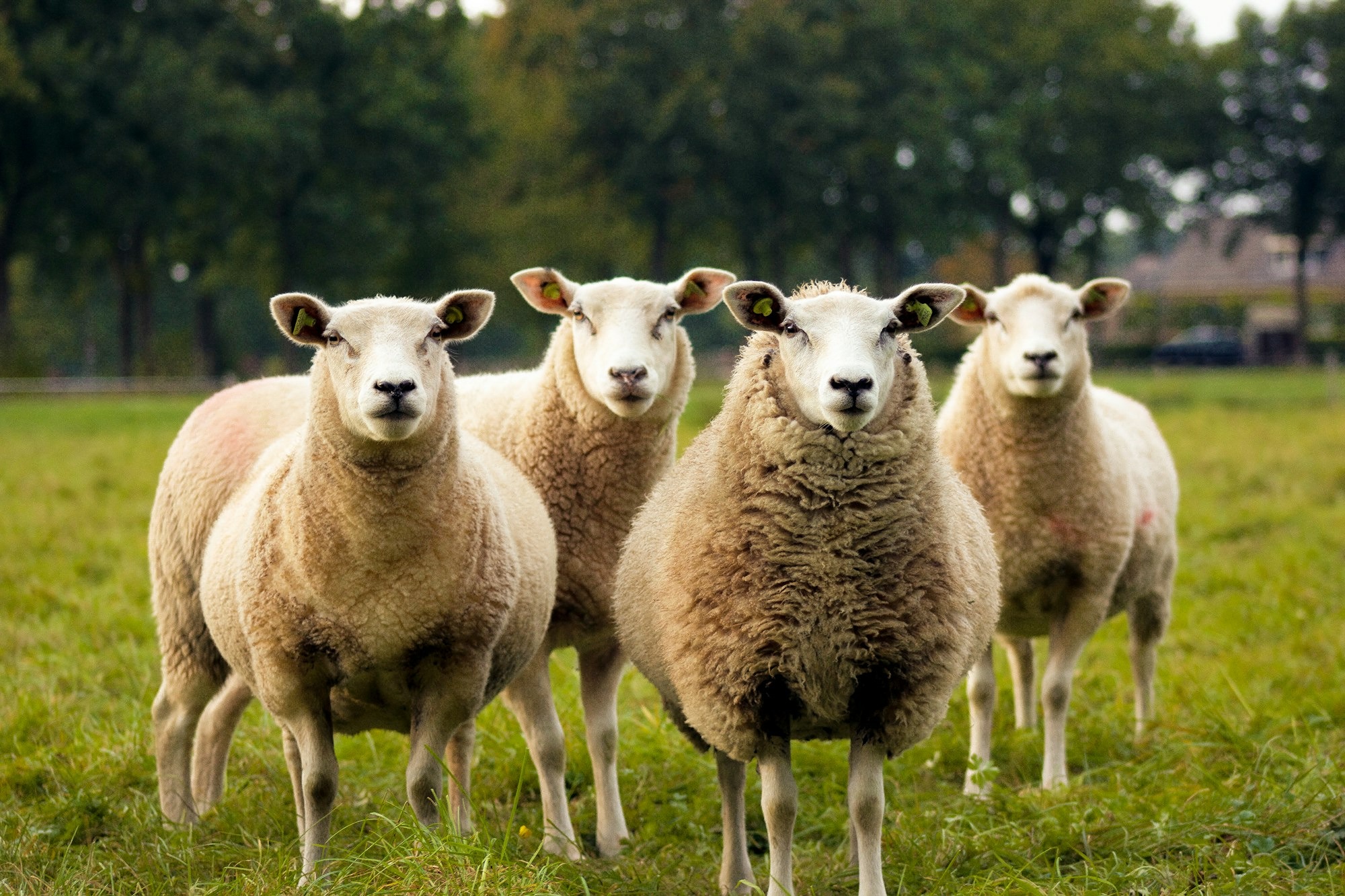
This site is primarily about wildlife - I hope and pray you find it useful! But there are times when I want to raise awareness of issues animals face and how we can help improve things for them. And one of these is Long Distance Transport.
The 14th June is Long Distance Transport Day and Compassion in World Farming (CIWF) have produced this video about banning live exports.
The video shows maps showing just some of the journeys animals have to make. En route, they suffer overcrowding, extreme heat, hunger, dehydration, injury and severe stress. Many don’t even survive the journey.
By sea, occasionally vessels can capsize – this can lead to animals drowning. In May 2026, about 4,000 sheep and goats died off the coast of Oman. Disasters like this happen repeatedly. Animals can be stranded at sea for weeks or even months at a time where importers refuse to accept them.
On the road, animals may collapse on the floor of the transport vehicle and get trampled by their companions. Stressed, dehydrated and in unsanitary conditions, they are vulnerable to infections which can transmit during the journey – leading to the spread of diseases.
All of us can unite to speak out against this horrific practice, and to urge those in power to make it stop.
“Animals are living, sentient beings, they are not cargo. There is no justification for forcing millions of animals to suffer these gruelling journeys every year.
With WOAH leading the revision in transport standards, now is the time for each and every member country to bring this cruelty to an end. Strengthening their guidelines to prioritise animal welfare is an important step, but ultimately, they must ban all live exports and consign this appalling trade to the history books.”
Animals are not cargo
Ahead of Ban Live Exports International Awareness Day on Sunday, the 14th June 2026, CIWF have written a letter to the World Organisation for Animal Health (WOAH). It calls on them to strengthen their transport guidelines and ultimately, a complete ban.
Why is this so important now?
WOAH is currently revising recommendations on ‘Animal welfare during transport’ to apply to national and international transport by land, water and on foot – this is for cattle, buffaloes, camels, sheep, goats, pigs, poultry and equines. The standards will be finalised in 2027 and adopted by 183 countries, so this is an important opportunity to influence what’s going to be included globally and enforced nationally.
The open letter urges WOAH and its members “to strengthen the guidance and enforcement in a manner that further improves animal welfare, reduces disease risk and ends the transport of animals to conflict-affected regions and regions that repeatedly fail to enforce animal welfare legislation. Such revisions should be an urgent step towards ending the long-distance transport of live farmed animals and replacing it with the transport of carcasses, meat, milk powder and genetic material.”
You can sign the open letter to WOAH here. 130 charities, experts and celebrities in 33 countries have signed this letter, including Brian Cox CBE, Dame Joanna Lumley and Christ Packham.
Other ways to help...
We can all raise awareness by sharing it the letter and links from CIWF's website – use #BanLiveExports
Know where your meat comes from. Buy local, if you can. Ask where the meat originates from in restaurants, to show you care about the origin of your meat. Go vegan or vegetarian more often, if you don't want to do it 100% of the time.
Sign the petition to stop ferry companies from transporting live farmed animals in the EU
Please visit Compassion in World Farming's website here. They have other campaigns to look at, including Rethinking Food, Rethink Fish, regenerative farming and rewilding land and soil.
In the USA..
An article by Wayne Pacelle at the Centre for Human Economy explains that the number of American horses slaughtered annually has gone from almost 400,000 in 1990 to about 25,000 now. Due to a threat from New World screwworm, which Pacelle tells us about in his article, the U.S. Department of Agriculture (USDA) has temporarily suspended exports of horses and other animals to Mexico. But Congress has a chance to stop it altogether this year. Please find out more here and help with your support here. Animal need your voice! Horses can't sign but you can!
In Canada
PETA (People for the Ethical Treatment of Animals) have a petition calling Canadians to urge your senators to pass Bill C-355. Every year, thousands of horses are packed onto flights to Japan and sent there for slaughter. Imagine how a horse feels, being crammed onto an airplane with many others, all terrified. Global News reported that the horses are crammed into wooden shipping crates which are then loaded onto cargo planes. They are often given no food or water and some cannot stand up naturally for the entire flight. Please see PETA's petition here.
Also, there's a petition Ban Live Horse Exports for Slaughter that you can sign. Every year, thousands of Canadian horses are flown to Japan, slaughtered and eaten as a delicacy. They are tightly packed into wooden crates, and denied water, food, and rest and enough space on the flights. It's thousands of Canadian horses are tightly packed into wooden crates so they can be flown to Japan, slaughtered, and eaten as a raw delicacy. They may be injured, they may collapse or die on transit. Please urge the Canadian government to ban live horse exports for slaughter.
In Australia
World Animal Protection reported that Australian sheep will no longer suffer in the barbaric live export trade from the 1st May, 2028. Find out more here.
Animals Australia have a number of issues they tackle, including Live Export and Farmed Animals. Find out all the news from them here.
The beautiful photo at the top of this blog is by Judith Prins on Unsplash. Thank you, Judith!
Comments