What's happening to forests and land worldwide?
If you want to know more about the state of the world's forests and land use, there's an amazing resource online which - I think - is quite amazing.
Global Nature Watch (previously called Global Forest Watch) is fascinating. It offers the latest data, technology and tools to help us better protect forests. It's an initiative from the World Resources Institute (WRI), dedicated to giving the best data and tools for monitoring and protecting forests. In short, it gives anyone anywhere access "to near-real-time information on forest change". It was launched back in 2014 and over 9 million people have visited it since its launch from every country in the world.
People around the world use it to monitor and manage forests, stop illegal deforestation and fires, defend their land and resources, undertake research for conservation, source commodities in a sustainable way. It also enables them to call out unsustainable activities. Find out more about the ways in which people worldwide use it here.
Hop over to their website map and you can discover information about different aspects of nature. You’ll find data on areas such as:
Forest change : This covers specifics such as tree cover gain, tree cover loss, and this can be country specific if you’re looking for data about a particular country. You can also find out about the drivers of deforestation alerts such as small and large scale agriculture, road development, selective logging, mining, flooding and natural disturbances and wildfires.
There are fire alerts, there’s data about tree cover loss due to fires, the Global Fire Weather Index and a Global Air Quality Index.
Land Cover : There’s a lot of information about primary forests, natural forests, land cover, mangrove forests, soy planted areas, global peatlands and tree plantations.
Land Use: This covers mapped cocoa plots, palm oil mills, RSPO oil palm concessions, oil and gas concessions and wood fiber concessions. It includes Conservation and protected areas, infrastructure (major and Congo Basins forest roads) and people (indigenous and community lands).
Climate : This covers areas such as carbon flux, carbon density and potential carbon gains.
Biodiversity : This covers global biodiversity intactness, and significance, key biodiversity areas and biodiversity hotspots and endemic bird areas.
As an individual who cares about the world, it's a great resource to be able to refer to and know that there is an awful lot being done to help conservation and nature worldwide. Please explore the site and get familiar with it - you may well come across organisations you want to find out more about to see how you can help them.
Hop, crawl, fly, run, slither over to Global Nature Watch here.
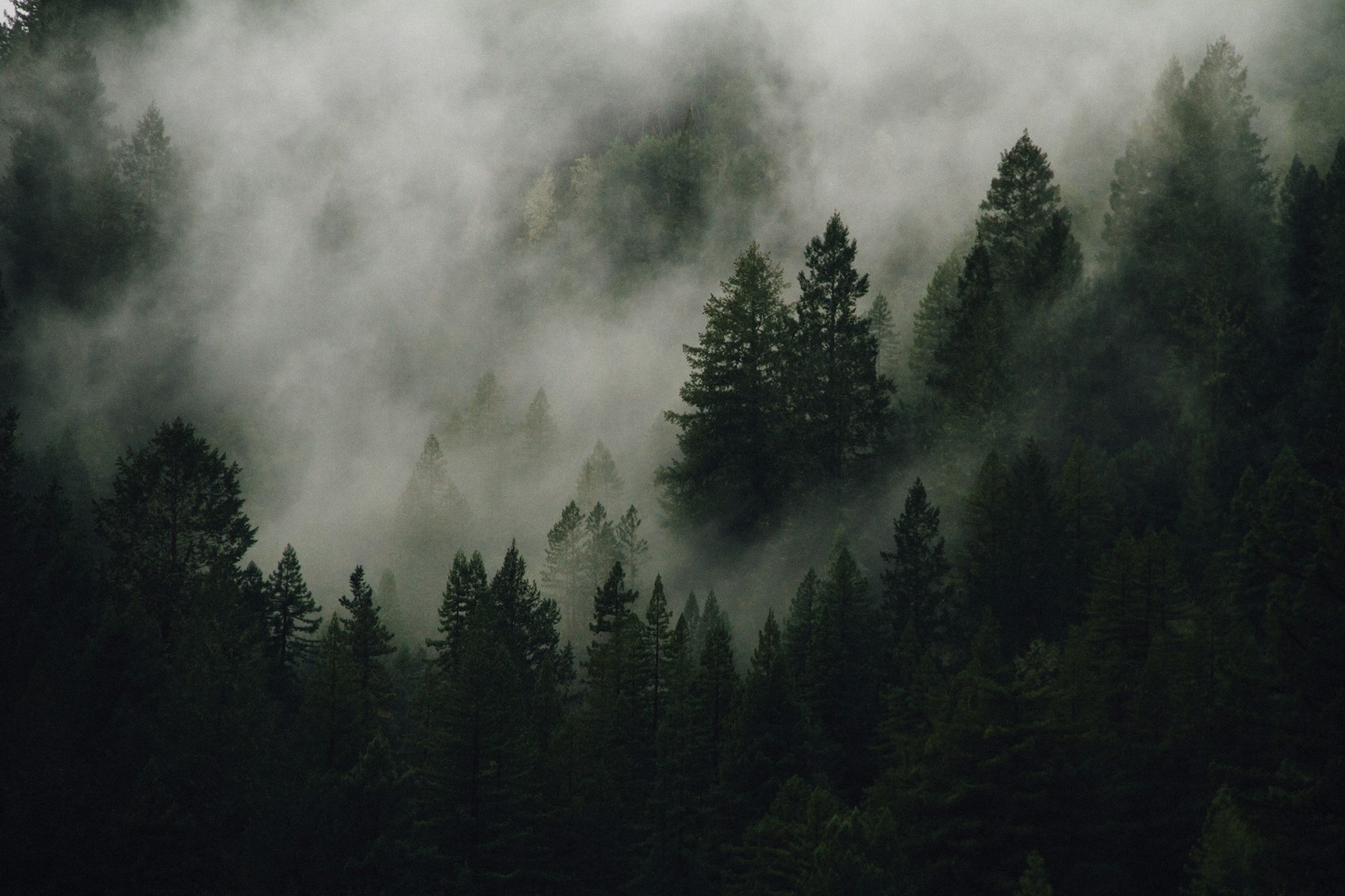
The amazing photo at the top of this page is by Kyle Glenn on Unplash. Thank you Kyle!
Comments