World Seagrass Day
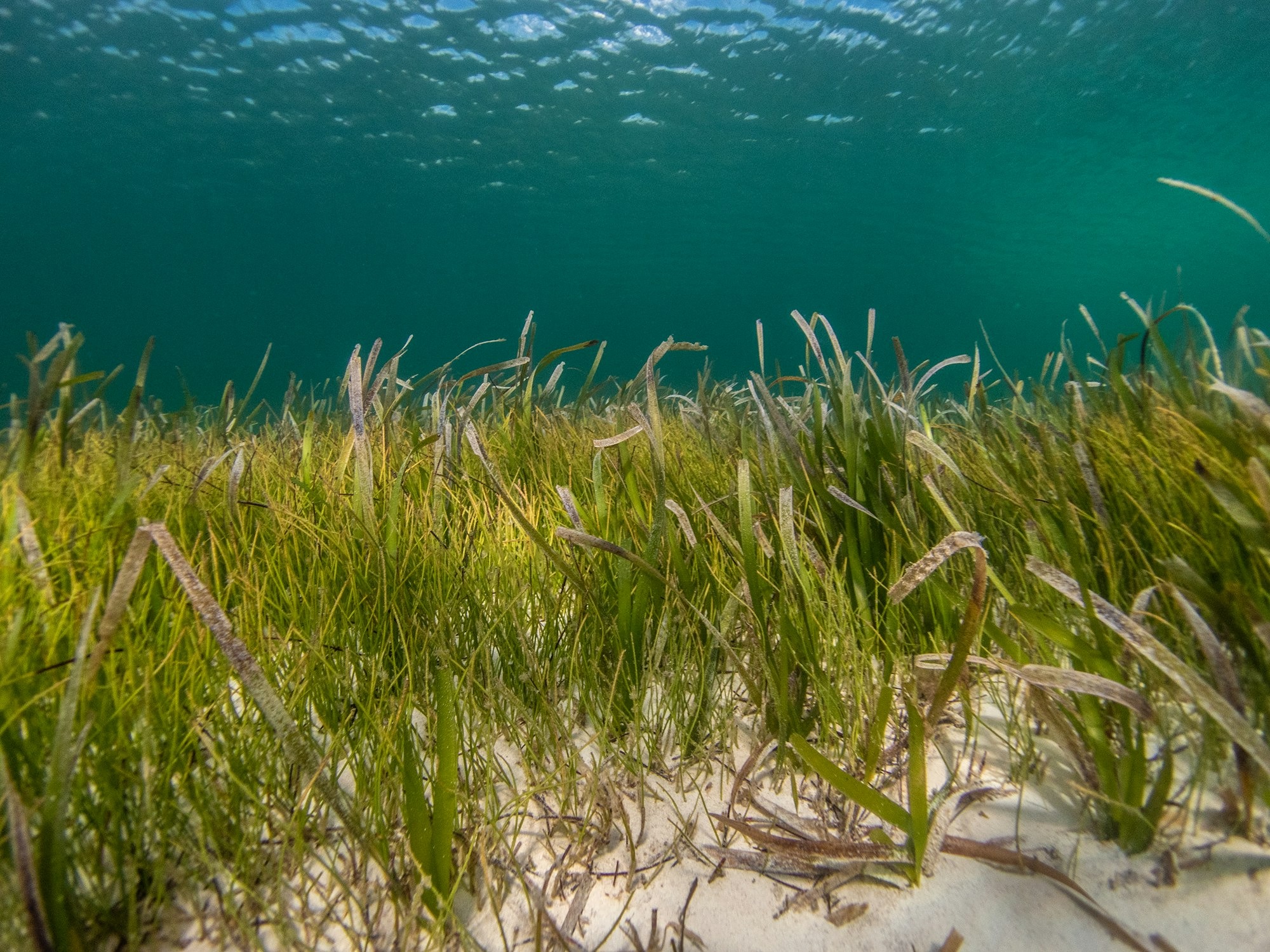
The 1st March is World Seagrass Day. The UN General Assembly proclaimed 1st March as World Seagrass Day back in 2022. It shows the urgent need to raise awareness of the critical need to take action to conserve seagrass. (Enhancing ecosystems is an important part of the UN’s Sustainable Development Goals.)
Part of the problem for seagrasses is that not many people know about them. Most people have heard of rainforests and sea ice, but seagrasses aren’t so well known or thought about. They cover just 0.1% of the ocean floor – and yet they are vital. They are marine flowering plants, and they form underwater meadows in shallow waters in many parts of the world
giving food and shelter to thousands of species of fish, seahorses, turtles
improving the quality of water by filtering, cycling and storing pollutants and nutrients – this reduces contamination in seafood
storing carbon so they are vital in tackling the impact of climate change
they reduce wave energy, thus protecting people from the risk of flooding and storms
These meadows have been declining since the 1930s – it is estimated that 7% of this habitat is lost worldwide every year. In fact, 21% of seagrass species are either deemed Near Threatened, Vulnerable and Endangered by the IUCN Red List. Coastal development, pollution, climate change, dredging, boating activities, unregulated fishing have all driven the degradation of seagrasses and their ecosystems.
There is hope for seagrasses, thanks to the amazing work being done by people to raise awareness of their existence and importance, and to restore them and protect them
This March 2026 sees the launch of a very exciting fund! The Global Seagrass Challenge Fund, which is a global challenge – which is shaped by local action!
It’s an initiative which supports locally led research and action, and the aim is to secure a future for seagrass meadows around the world. It aims to increase awareness of seagrass ecosystems - many people have never heard of seagrass - and to share knowledge and strengthen collective action.
There’ll be access to technical support and funding, and supporters who join will help “unlock opportunity, strengthen community leadership and mobilise action for seagrass conservation across the globe.”
The Global Seagrass Challenge Fund is responding to six challenges that scientists have identified, which need to be addressed in order to safeguard seagrass meadows.
The six challenges/priorities are:
To make seagrass visible and bring it into the spotlight, to increase awareness and understanding of these really important ecosystems
To map and monitor seagrass to help close gaps of knowledge, increasing access to information on seagrass, its extent and condition. This will enable data to turn into conservation action which is evidence led
To understand the threats to seagrass in order to target local action that’s both appropriate and realistic
To balance the needs of people and the planet – both are interlinked
To build evidence – scientific evidence – that can guide conservation decisions and turn research into action
To conserve seagrass in a changing climate
Members of the Global Seagrass Challenge Fund will become part of a committed collective, and support the conditions that seagrass conservation needs. Member benefits include the knowledge that you’re joining other individuals who also want to make a difference and who are committed to giving seagrass a future by conserving its ecosystems around the world. There’s access to events and expert talks (invitation only), early access to insider updates and challenge reports so that you can get a behind-the-scenes view of progress, recognition with your consent, insights and expertise with privileged insight into Project Seagrass programmes and more; and a dedicated point of contact!
I think this is a really exciting opportunity for someone who wants to make a difference. The fund is aiming to mobilise £50 million to catalyse a step-change in global seagrass conservation by 2030 and beyond.
The Fund’s aims by 2030 are to (and I quote)
Support 20-50 locally-led seagrass initiatives across the globe
Safeguard and restore seagrass meadows
Strengthen long-term capacity and
Generate scalable models for seagrass conservation that can be replicated gobally
This is a long-term investment in what’s needed to reverse seagrass loss at scale. In a way, it reminds me of the Wildlife Trust’s Rothbury goal to buy 3,850 hectares in Northumberland – it’s going to cost £30 million but it will make a huge difference.
Visit Project Seagrass to find out more here. And see the PDF here.
It costs £1,000 to join – and if that’s beyond you - and it's certainly beyond me! - please consider other ways to help, such as making a donation to a seagrass conservation group such as Project Seagrass or Seawilding, or becoming a citizen scientist or a seagrass spotter, raising awareness about seagrass, volunteering or simply donating a smaller amount to a conservation group.
Seagrass needs us – and we need seagrass for a healthy ecosystem – and together, we can all make a difference. And everyone can to something to help.
Comments