Oh rats! Dealing with rats humanely
Posted on
Have you ever stopped to think about the impact rat poison has on rats?
Two inspiring women, one in her teens, have put a website together called Rat Poison Facts to help people understand the impact.
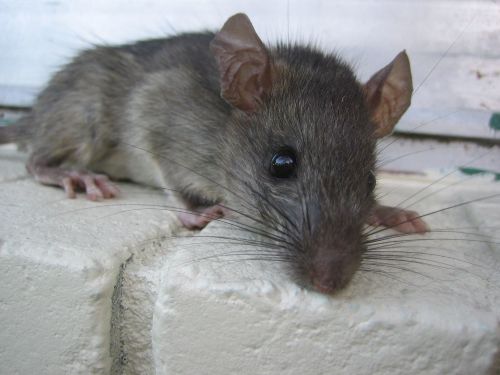
They want to bring an end to animal mistreatment and the poisoning of the ecosystem by stopping the use of rat poison.
So the goal of Rat Poison Facts is to raise awareness:
- How some rodent control methods are inefficient
- How some rodent control methods could be dangerous for children, pets and other wildlife
- How some rodent control can harm our ecosystems
- How cruel and inhumane some methods to get rid of rats can be
- Humane alternatives to dealing with rats
When a rat takes in rat poison, there are all sorts of possible implications for the rat, such as internal bleeding, dehydration and dramatically bloated stomachs from overfeeding substances containing gas). Death can be very slow and painful.
Rat poison can be dangerous to people as well – young children end up in hospital every year because of it. Pets may eat it by mistake.
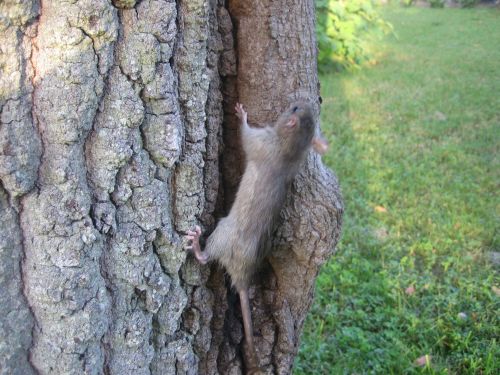
The site has very helpful education resources, with useful links, including how you can get rid of rats in a humane way, with humane ways to keep your house rat-free that work.
You can find more information on RatPoisonFacts website.