"Never doubt that a small group of thoughtful, committed citizens can change the world; indeed, it's the only thing that ever has." Margaret Mead, American anthropologist, 1901-1978
The WWF Malaysia report that sadly there are only about 150 Malayan tigers left in Malaysia - there used to be 3,000 in the forests there in the 1950s.
#KeepRoaring for the Malayan tiger.
As WWF Malaysia point, out, we all need healthy forests - and forests need tigers. The problem is that tigers are threatened by poaching, the illegal wildlife trade, habitat loss (this is because of deforestation and fragmentation) and a lack of food for the tigers as their prey has been over-hunted.
To tackle these challenges, WWF Malaysia has been conducting patrolling in Belum-Temengor. It monitors poaching hotspots and then sends vital information to enforcement agencies, who can then patrol more ground. By patrolling more ground, they can discover more threats, remove snares and arrest poachers - these not only helps the tigers, but other animals too.
#KeepRoaring to save Malayan tigers, save our forests, and save ourselves by taking action and donating if you can.
Donations will help WWF-Malaysia to support wages for field assisstants to patrol and do camera-trapping so that they can see how many tigers are in an area. It will also give daily rations to those doing the patrolling work, and buy the necessary camping equipment they need to carry out field surveys. Of course, there are logistics and transport costs. And successful conservation efforts need the community on board, so donations help support awareness and communication drives.
Crucially, WWF-Malaysia is working with the Malaysian Government. To secure a future for all the biodiversity in the Belum-Temengor Forest Complex, there's a need for long-term solutions that are sustainable, if the stunning tigers of Malaysia are to have a future.
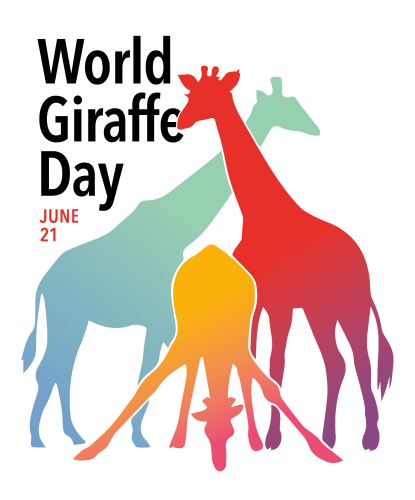
It’s not long now before we hit the 21st June – and of course what’s special about that is that it’s the longest day of the year – which means it’s World Giraffe Day, too!
World Giraffe Day gives us all an important chance to raise awareness of the challenges giraffes face in the wild. The day puts a light on what is known as the giraffe's 'Silent Extinction'.
Giraffe face a Silent Extinction if we don’t act
Over the past 35 years, giraffe numbers have decreased by nearly 30% and there are only about 117,000 giraffe left in the wild now. The Giraffe Conservation Foundation needs all our help in saving them. It initiated World Giraffe Day both to celebrate The Giraffe and to give us all the opportunity to help raise awareness of what giraffes face in the wild.
Giraffe have gone extinct in at least 7 African countries
In the last 300 years, we’ve lost 90% of all giraffe habitat
Human population growth across Africa is having a huge impact on giraffe and other wildlife
The Giraffe Conservation Foundation is the only organisation in the world which concentrates solely on the conservation and management of giraffe in the wild throughout Africa. Giraffe are still vulnerable to extinction, according to the IUCN Red List of Threatened Species.
It works in 15 African countries across 45 million acres of giraffe habitat. And it is making a difference to giraffe and I quote:
Over 300 giraffe returned to their historical habitat
18 new giraffe populations established
Over 100 giraffe born in original giraffe habitats
Over 12 million acres of giraffe habitat reclaimed
Over 5 million data points recorded
Impact on over 100 million acres of giraffe habitat
The Foundation is really busy! It takes conservation actions such as...
Rewildling and giraffe conservation translocations - this is a very important conservation tool. This video tells you about the longest wild giraffe translocation ever undertaken by road in Malawi.
National and regional giraffe conservation strategies
A giraffe resource centre, to make scientific information available and accessible
Conservation technology - GCF gives technical assistance and expert guidance to governments, academics, conservation organisations and individuals across Africa
A Twiga Tracker - the largest GPS satellite tracking study of giraffe. I think this is very exciting! It aims to improve conservation efforts by better understanding the needs and movement of giraffe - and their habitat use
Twiga Wetu - this involves working with local communities and enhancing conservation capacity.
A GiraffeSpotter - this is a photo-identification database. It helps survey giraffe in the wild, and it uses AI aided pattern recognition. This means it's possible to identify the giraffe by their own unique spot pattern.
An African Wildlife Vet Course, with an annual hands-on training course. Vets are often working in the wild without access to a veterinary hospital.
Giraffe Taxonomy. The GCF has reserach based on over 1,000 tissue samples which have been collated from the major giraffe populations. IT's shown tehre are 4 distinct giraffe species and 7 subspecies. This all has implications for the future of giraffe in Africa
Population surveys - these are often the first step in conserving a species
The Giraffe Conservation Foundation works on, and manages and supports giraffe conservation programmes.
Masai Giraffe Conservation, Rwanda
Nubian Giraffe Conservation, Uganda
Luangwa Giraffe Conservation, Zambia
Masai Giraffe Conservaiton, Kenya
Southern Giraffe Conservation, South Africa
Southern Giraffe Conservation, Malawi
Kordofan Giraffe Consrevation in Chad - the species in the most trouble, as they are critically endangered
West African Giraffe Conservation in Niger - their numbers have gone up from 49 to over 600, thanks to conservation efforts by the GCF and Niger government. This is great news, but the area is politically volatile.
Nubian Giraffe Conservation in South Sudan
Kordofan Giraffe Conservation in DRC - there are threats from poaching and rebel activities, but incredibly, GCF, African Parks and the DRC government have been able to grow giraffe numbers
Reticulated giraffe conservation in Kenya
Southern Giraffe Conservation in Namibia
Southern Giraffe conservation in Botswana
Masai giraffe conservation in Tanzania
Kordofan giraffe conservation in Cameroon
Southern giraffe conservation in Zimbabwe
Southern giraffe conservation in Zambia
Southern giraffe conservation in the KAZA TFCA
Southern giraffe conservation in Eswatini
Nubian giraffe conservaition in Kenya
They are also doing a lot of education; in Namibia, GCF runs one the largest environmental education programme there. Amongst other things, it aims to teach youngsters about their environment and reconnect them with nature through field-based learning.
Action is essential - and so is all our support.
Enter World Giraffe Day!
.
Zoos, schools, governments, companies and NGOs are hosting events to help raise awareness, and you can get involved and do your bit. Stick your neck out and raise awareness of giraffes and remind people of their beauty on social media!
Giraffe Translocation
The charity has a translocation programme, moving giraffe. Giraffe are moving to areas where there are very few or no giraffe. They are also caught, and then given satellite tracking units so that they can be tracked which enables conservationists to find out more about their movements. Catching and tracking giraffe provides an excellent opportunity to find out as much as possible about these beautiful animals. You can look at Returning Angolan Giraffe to their Natural Homeland to get an idea of what's involved...
Show how you #StandTallforGiraffe – literally! Take a photo of yourself standing tall – you could make it a group photo, but please bear social distancing rules in mind! A baby giraffe measures about 2m at birth – whilst the adults reach the giddy heights of over 5m.
Or come up with something that’s giraffe inspired – a cake with a giraffe on it, or paint a picture – just show how giraffes have inspired you and spread the message on social media of World Giraffe Day!
And tag the Giraffe Conservation Foundation on social media - here are the tags…
The 22nd June is World Rainforests Day. Rainforests are vital for life to survive on Earth. Their loss threatens our biodiversity and imperils earth’s health. We ignore this loss at our peril.
World Rainforest Day was founded back in 2017 by the Rainforest Partnership. It celebrates the importance of healthy, standing rainforests for climate, biodiversity, culture and livelihoods. Crucially, it convenes a global movement to protect them and restore them. The Pledge programme mentioned below is launching in 2024 to drive rainforest and climate action across all sectors immediately.
Natural climate solutions such as protecting and restoring forests could reverse global emissions by a third, according to World Rainforest Day.
This day is held to celebrate rainforests and encourage us all to protect them. If we can all unite and become a forest of action that rains on earth, then we can make a huge difference. Wherever you are in the world, rainforests are impacting you. And there's something all of us can to to help with rainforest protection and appreciation.
In 2026, the theme is The Forest Within You
In 2026, World Rainforest Day is aiming "to reignite and amplify global appreciation for rainforests through three key calls to action."
One of these calls is to join the global video campaign reflecting on your connection to rainforests or what this year's theme means to you. There's a global toolkit to help you, plus a prompts guide. For instance, you could think about...
your connection to rainforests, wherever you live
Your wellbeing - you could talk about the role nature plays in your wellbeing
How your daily choices reflect care for the planet
A memory - perhaps there's a moment, palce or tree which represents your "inner forest"
Perhaps there's a story from your local area, or folklore or ancestralknowledge which reflects long and cherished connection to forests
Share your video on social media, using tags #WorldRainforestDay + #WorldRainforestDay2026
There's information about this and legal bits on the World Rainforest Day's website here.
The website has other ways you can get involved, such as:
get your hands dirty and volunteer with a rainforest organisation
go greener with your food - try vegan or vegetarian for one day this week or every week
Find out more about climate change and nature driven solutions. Be inspired by the winners and finalists of the Earthshot Prize - there are some amazing things going on to help nature
Be a Planet Walker - take yourself through a forest or park or trail. Share your journey on social media. Why not explain what nature and these forests or parks mean to you and how they benefit your wellbeing?
The World Rainforest Day website has these things we can all do to make a positive impact on rainforests, today and every day:
Ways to help rainforests
Volunteer for a rainforest charity! Many charities need help not just from a practical sense but also in the "back office" with those behind-the-scenes but essential tasks.
Vote with nature in mind! Show leaders that you care about our natural world and want to preserve it.
Choose local products and ask about where items are sourced. Many rainforests are cut down for agriculture and cattle ranching. Go meat free one day a week if you can.
Find out about the different fauna and flora in rainforests, such as lichen. The British Lichen Society has this great video about it from one of Dartmoor's temperate rainforests
Take a look at Global Forest Watch. It is a fascinating site and it provides tools and data for monitoring forests. For instance, you can see the alerts for forests fires
Share your discoveries and what is being done to help rainforests on social media. We need to show people that there is a lot going on - and that people can and do make a difference.
Visit , Rainforest Rescuewhose mission is to give the rainforest a voice and preserve it in all its splendor. It has petitions you can sign to give rainforests your voice, and projects it runs to protect them, thanks to donor support. The petitions expose destructive projects and name the perpetrators, so they are important.
There are many charities you can donate to to help rainforests such as the World Land Trust. £100 is one acre protected, but you don't have to give £100. Every bit helps! They have an Action Fundwhich enables them to respond fast when urgent conservation action is needed - find out about that here. They have a current appeal to help orangutans in Borneo which you could spread the word about (and donate to, if you can).
You could read the story I wrote about an orangutan and a tiger called Where has my home gone?
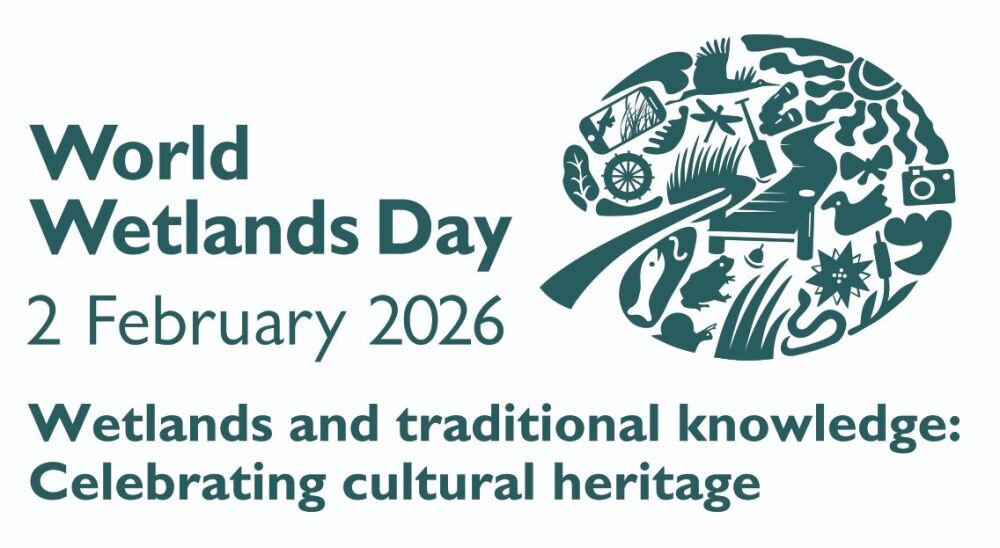
The 2nd February is World Wetlands Day. The day aims to raise awareness about wetlands, and it marks the anniversary of the Convention on Wetlands, which was adopted as an international treaty back in 1971. Back in 1971 on 2 February, the Convention on Wetlands was adopted in the Iranian city of Ramsar which sits on the shores of the Caspian Sea.
What are wetlands?
Wetlands cover areas such as shores, estuaries, mudflats, floodplains, coastal marshes, local ponds, the bog and pond in your garden, mangrove swamps, seagrass beds, and rivers. They cover a very small of the earth’s surface – and yet they are one of the most important habitats on our planet. WWT has lots of information about these areas - you can click to see it here.
"If rainforests are the lungs of the planet, then wetlands are the lifeblood. As much as we need air to breathe, we need water to live. The conservation of our wetlands is essential to all life on earth.”
In 2026, the theme is Wetlands and Traditional Knowledge: Celebrating cultural heritage
#CelebratingWetlands #Wetlands and Cultural Heritage
Raising awareness is critical – most people have heard of forests and rainforests, but fewer have heard of wetlands. Yet they are vital ecosystems. Despite this, the World Wetlands Day website explains that, since the 1700s, almost 90% of the world’s wetlands have been degraded since the 1700s. And we’re losing wetlands 3x faster than forests.
A recent global IPBES assessment identified wetlands as the most threatened ecosystem. This impacts 40% of the world’s plant and animal species that live or breed in wetlands.
Habitat loss: many thousands of hectares have been drained for land by humans for their purposes of housing, industry and agriculture
Pollution: WWT says that 80% of global wastewater gets released into wetlands without being treated. Wetlands are under threat from pollution, fertilisers, pesticides – and yet wetlands can act as natural filters, removing pollutants from the water.
Invasive species such as the common water hyacinth and animals (e.g. the killer shrimp) devastate wetlands. Unfortunately, water provides easy pathways for them to spread and grow.
Our changing climate can cause wetlands to dry out – and this can have a terrible impact on amphibians, migratory birds and corals for instance. But wetlands are carbon sinks – when we destroy wetlands, carbon gets released into the atmosphere.
Development, such as dams, and draining
Why wetlands matter to people:
They provide us with drinking water
They store a third of the world’s carbon emissions
They buffer us from floods and droughts
They are important for our health and wellbeing
Why do wetlands matter to wildlife?
40% of all plant and animal species live or breed here.
Sundarbans National Park (India) is formed of tidal rivers, creeks and canals and supports species such as the single largest population of tiger, and aquatic mammals such as the Irrawaddy and Ganges River dolphins, all under threat.
Mud, mud, glorious mud The power of mud....Preventing climate change Watch this video from WWT on You Tube to find out what mud can do to combat climate change
So what can we all do to help wetland conservation?
WWT can create new wetlands in a few months and years – so your support can really make a difference quickly. But there’s something we can all do to help and you’ll find more links and further resources further down.
Find out why they matter to people and wildlife.
See what you can do at home to help wildlife. Create a (mini) pond in your garden, local area or school - WWT or the RSPB can show you how
Visit a wetland close to you if there is one, and spend time there. Use your senses while you visit. Listen to the sounds you can hear; look at the sights, smell the scents. Connect with them.
Find out which of your local conservation charities are working to protect and restore wetlands. How can you get involved and support them? Many of them will be working on projects which you may be able to get involved with. This could be by volunteering, donating, buying something from their online shop, becoming a member, spreading the word about them - there are lots of ways to help.
#WetlandBiodiversityMatters to see what’s happening
Support an appeal for wetlands somewhere in the world
There are a lot of efforts being made to help protect and restore and create wetlands. For instance, the International Crane Foundation has been working to protect Africa’s wetlands for 30 years. Find out about their work here.
On this World Wetland Day, they are advocating for:
Protection of wetlands
The reduction of human impact to minimise habitat destruction caused by human activity
Supporting crane conservation efforts
Promoting awareness and education
Encouraging sustainabity
Advocating for climate change
Getting involved in citizen science such as birdwatching or local conservation projects to help monitor populations and track their movements - this all helps contribute important details to build up a picture of the status of cranes and other animals
Further Resources
World Wetland Network – a collection of NGOs and Civil Society Groups all working for wetland conservation
Wetland Link International – a support network for wetland education centres which deliver engagement activities on site. The WWT in the UK lead it; it has 350 members over 6 continents!
RAMSAR – The Convention on Wetlands is an intergovernmental treaty which provides the framework for national action and international cooperation for the conservation and wise use of wetlands and their resources.
World Wetlands Day – held every year on 2 February to raise awareness of the importance of wetlands and how we can all help
The MedWet mission is "to ensure and support the effective conservation of the functions and values of Mediterranean wetlands and the sustainable use of their resources and services". Visit their website here. The Mediterranean Wetlands Initiative brings together 27 Mediterranean and peri-Mediterranean countries, all of which are Parties to the Convention on Wetlands (Ramsar, Iran, 1971). Palestine and several organizations and wetland centres are also part of the MedWet Initiative.
National Tree Week takes place from 22nd November to 30th November in 2025. Celebrate all things tree and branch out with these leafy activities! National Tree Week is organised by the Tree Council - it's the largest tree celebration in the UK and it launches the start of the winter tree planting season.
This is a great opportunity to do something positive for trees in your area.
10 Tree Things to Do
Send a tree through the post as a gift! Yes, honestly. There’s a tree (or a bush) for everyone even in a hallway or on a balcony. Rather than send flowers which don’t last, send a tree or bush which will last longer. Some trees/bushes even produce things you can eat…. Tree2mydoor.com is to trees what a florist is to flowers so this Christmas why not send a tree as a gift?
Hunt for ancient trees Help the hunt for Ancient Trees and help boost the ancient tree inventory. This is a great outdoors activity, aided by the fact you can choose the day (and weather) on which to do it. Your family can go hunting for ancient trees and if you find one, let the Woodland Trust know about it. It helps them lobby to protect ancient trees and care for them, and plan for their proteciton in the future. The Woodland Trust has activities for children to do.
Plant a tree or join a community plant From small trees to the mighty oak, you can plant a tree in your garden or join a community project and enjoy it for years. Get your community planting trees or volunteer to help on a tree planting near you. This is a great way to meet new people and make friends and get all earthy. The Woodland Trust has more information on community planting
There are tree planting campaigns in many countries of the world. For instance, in Australia, the Koala Clancy Foundation is aiming to plant 300,000 trees to help koalas by 2030. Bangalow Koalas are looking to plant 1,000,000 trees by 2030. Trees for Lifein Scotland have a Plant a Tree opportunity so that you can help them transform open hillside into woodland, so restoring the Caledonian Forest.
Who lives in woodland and trees? Wildlife need our woodland and our trees. Discover who lives in our woodlands and trees and our forests. The Woodland Trust has information about who lives there.
Become a tree surgeon This could be a great career for anyone who loves the outdoors life and trees! Tree surgeons plant, they fell, they care for and maintain trees and assess their hazards. You can find more info at the National Careers Service website and The Arboricultural Association has information as well.
Be a tree warden for the Tree Council The Tree Warden Scheme is a national initiative to enable people to play an active role in conserving and enhancing their local trees and woods. The scheme was founded and is co-ordinated by The Tree Council.
Plant a tree in memory My wonderful Dad died in 2013. Birthdays and Christmases are difficult. I felt I wanted to mark events such as this in some way so I’ve started planting a tree in Dad’s memory for these occasions and Father’s Day. t took a while for the idea to surface, but I do smile at the thought of trees being dedicated to Dad all over the world. I try to find a link between each tree and Dad. He was a Winnie the Pooh fan, so I planted a tree in Sussex which is Winnie the Pooh country. Campaign for Trees The Woodland Trust campaigns for Trees – visit their website to see if there are any campaign's you could support. Examples include being a voice for trees and woods, telling the Trust about threats to ancient woods, and taking action in your community. Find out what you can do to help
Visit Trees for Cities Trees for Cities is working to make cities greener places in which to live and visit world wide. There are opportunities to volunteer, either as an individual or a corporate entity. Since 1993, over 70,000 people have planted over 600,000 urban trees in parks, streets, schools and housing estates across the UK, as well as internationally.
Plus....
Why not get use trees in a creative bit of fun? Draw trees or a group of trees; you can always use just pencil and paper - I love Easy Pencil Art Drawing Tutorials; there are great videos there covering all sorts of works, such as trees, landscapes, seascapes and animals!
Or you could do some tree photography... go out and take pictures of different trees and then try identifying them when you get home.